Filing a Roof Insurance Claim in Texas With a Contractor on Your Side
A roof claim feels confusing mostly because nobody explains the order things happen in.
October 13, 2026 · 4 min read
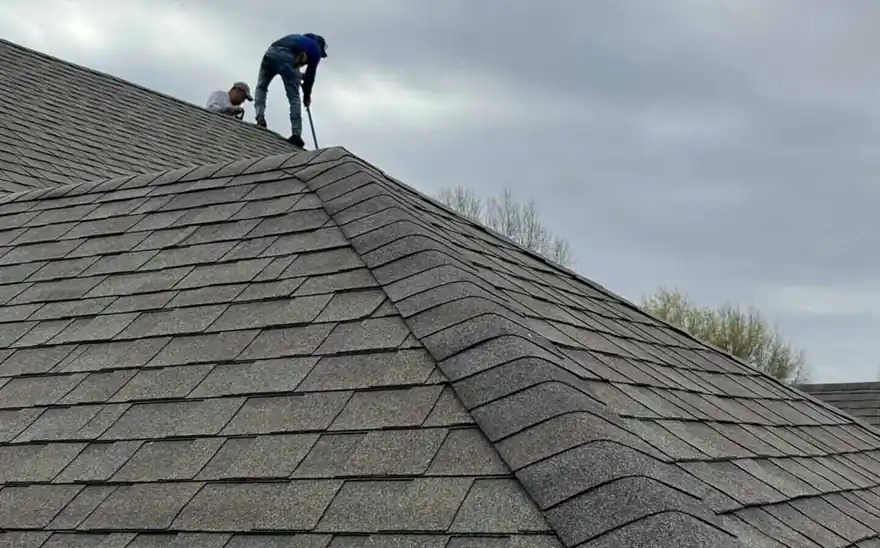
Filing an insurance claim after a storm is stressful even if you've done it before. The paperwork is unfamiliar, the terms are odd, and there's a nagging feeling that the person across the table isn't exactly on your team. That feeling is common, and it's the reason roofing companies in storm country build a process around it.
Here's how it works at Steele Roofing in Tyler, where the line on the company's insurance page is simple: they work for you, not for your insurance company.
The five steps, in order
- Request a free inspection. A roofer climbs up, documents what the storm did and gives you a written assessment.
- You file the claim. This is your policy and your call, so the claim goes in under your name with your carrier.
- Meet the adjuster to go over the scope of damages and work. Your contractor's project manager can be at the roof with the adjuster.
- Recover the approved claim scope of work. Once the carrier authorizes the work, the contractor completes that approved scope.
- Get your new roof. The crew does the work, and the project closes out.
Step three is where a lot of claims are won or lost. The adjuster sees one roof on one afternoon. Having a local roofer standing there, pointing out every damaged slope and vent, means nothing gets missed because it wasn't obvious from where the adjuster stood.
One more rule of thumb: if you plan to file, don't let anyone tear into the roof before the adjuster sees it. Emergency tarping to stop water is a different matter, and a good contractor will do that first and document it. The permanent repair waits for the assessment.
No, you don't need three estimates
One of the most common things homeowners hear is that the insurance company wants three estimates. According to Steele Roofing's insurance FAQ, you aren't required to get them. You're allowed to choose whichever contractor you want to do the work on your property. The company provides your insurer with its damage assessment and answers any questions about the recommended repairs.
Generally, your out-of-pocket expense is your deductible, because the job is completed at the price the insurance company or adjuster authorizes. If you've already collected a quote from another company, Steele Roofing will give you a free second quote, which is a different thing from being forced to shop around.
What “per insurance proceeds” means
At some point your project manager may say your work will be done per insurance proceeds. It sounds like jargon, but it's actually good news. The idea is that the contractor uses the same kind of estimating software and pricing as the insurer, so once the final scope is authorized, the work gets done at the insurance pricing. That keeps the process streamlined, because there's no arguing over a number the carrier already approved.
Change orders aren't a red flag
Partway through a job, you might be asked to sign a change order. It can feel like a surprise bill, but it's usually routine. The adjuster approves a scope at the start. Then the crew tears off the old roof and finds rotted decking, or the original measurements were a little off. The project manager submits a change order to the insurance company explaining the difference.
Insurance companies expect these. Any extra funds released because of a change order are treated as part of the job cost, due to the contractor like any other insurance payment. If someone asks you to pay out of pocket for something that should be going through the carrier, ask questions.
Why your mortgage company is on the check
Many homeowners are caught off guard when the claim check arrives with their mortgage company's name on it. The reason is that the lender has a stake in the condition of your property and wants to see the repairs actually completed. Sometimes a local bank branch can endorse the check for you. Other times it has to be mailed to the lender. A mortgage company may also send an inspector to check progress or completion.
It's a process, not a problem, and a good project manager will walk you through the specific steps your lender requires.
If the claim is denied
A denial isn't always the end. You can request a re-adjustment and ask the project manager to be present when the adjuster looks again, so all of the claim-related damage is pointed out. If it's denied twice, look into your insurer's appeal or grievance process. Steele Roofing says it can also refer you to other industry professionals who work with insurance companies on coverage.
One detail worth knowing: Steele Roofing's construction agreement is contingent on insurance approval, and no work is done without that approval. If the claim doesn't get approved, you aren't liable for a payment to them.
Not sure if your roof qualifies for a claim? Call Steele Roofing at (903) 630-5751 and ask for a free inspection. You'll get a written assessment either way, and nothing about it obligates you to file.
Steele Roofing LLC, (903) 630-5751
Call (903) 630-5751More articles
How a Roof Inspector Reads Hail Damage in East Texas
Most hail damage is invisible from the driveway, so here's what happens when someone climbs up to find it.
Class 4 Shingles or a Metal Roof for Tyler Hail?
Both options fight hail better than a standard shingle, but they do it in different ways.