Class 4 Shingles or a Metal Roof for Tyler Hail?
Both options fight hail better than a standard shingle, but they do it in different ways.
October 13, 2026 · 4 min read
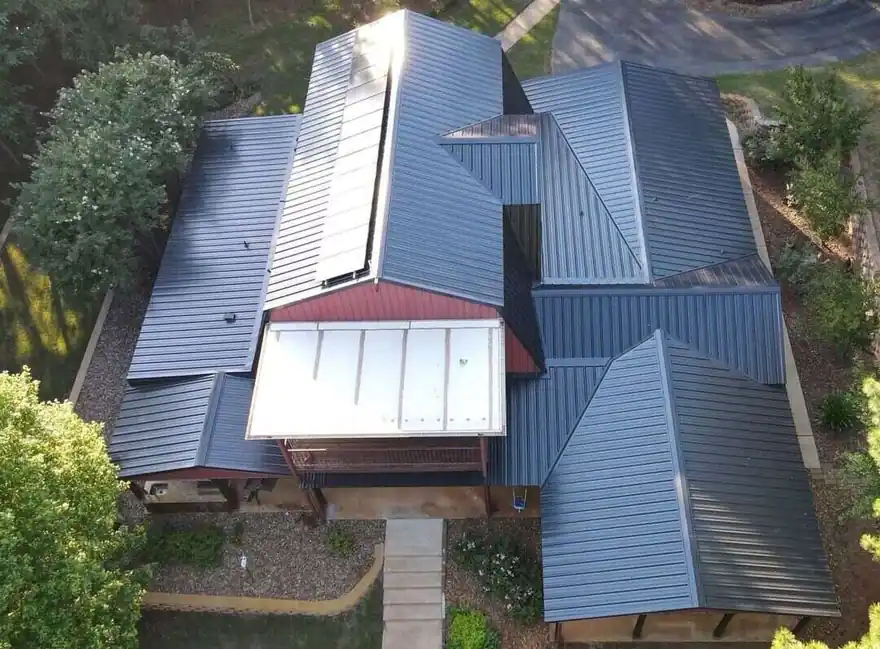
If you've lived in East Texas for more than a season, you know how it goes. The sky turns green-gray, the wind picks up, and then the hail starts. Tyler sits near the edge of Tornado Alley, so a roof here takes hits that homes in milder climates never see. That's why more homeowners are asking about roofs built to take a beating instead of just replacing the same shingles every few storms.
Two answers come up most: Class 4 impact-resistant shingles and metal roofing. Here's how they differ.
What “Class 4” actually means
Class 4 isn't a marketing label. It comes from a lab procedure called UL 2218, which simulates hail by dropping steel balls onto a roofing sample from set heights and then checking it for cracking. The ratings run from Class 1 to Class 4, and Class 4 is the highest level of resistance.
- Class 1: minimal impact resistance.
- Class 2: moderate.
- Class 3: strong.
- Class 4: the highest level, meant to take a hit without splitting or fracturing.
A Class 4 rating is not a promise that hail can't hurt your roof. It's a measure of how a product performs in a controlled test. It does mean better odds when the real thing comes through.
How impact-resistant shingles work
An impact-resistant shingle looks a lot like the architectural shingles on most Tyler homes. The difference is in the construction. Manufacturers use a polymer-modified or rubberized asphalt blend over a heavy fiberglass mat, which keeps the shingle flexible enough to absorb a hit instead of cracking. Cracks and splits are what lead to leaks later on.
Steele Roofing installs Class 4 shingles from brands that include IKO, CertainTeed, Atlas and Malarkey. For many homeowners this is the sweet spot: the look and installation process they're used to, with a stronger product underneath.
How metal roofing handles hail
Metal is a different approach. Steel and other metal panels don't crack the way asphalt does, and many metal roof systems qualify for a Class 4 rating too. Steele Roofing installs several types.
- Standing seam: clean vertical panels with concealed fasteners and raised seams that shed water. Common on homes and commercial buildings.
- Metal shingles: steel formed to resemble architectural shingles, slate or shake.
- Stone-coated steel: a steel base with a textured stone finish, so you get metal's strength with a more traditional look. Tilcor is one system the company works with.
- Commercial metal panels for offices, retail buildings and warehouses.
Metal also reflects more of the sun's heat than asphalt, which can help with attic heat during a Tyler summer, and it usually asks less of you in maintenance. There are no granules washing into the gutters and no curling tabs.
The trade-offs nobody puts on the brochure
Metal holds up well, but a Class 4 impact rating is about whether the panel is penetrated or fractured, not about whether it dents. Some policies treat dents in metal as cosmetic damage. Before you commit, ask your insurance agent how your specific policy treats cosmetic damage on a metal roof, and get the answer in writing.
Installation matters as much as the product. One customer wrote in a Google review that a metal roof put on four years earlier by a different company started leaking because the roof closures had never been installed. A Steele Roofing inspector named Carter diagnosed it, according to that review. The material wasn't the problem. The detail work was.
Cost and lifespan also differ between the two options. Metal typically lasts decades longer than a shingle roof when it's properly installed, but we won't quote prices here because they depend on your roof, your material and the day you ask. A written estimate after a free inspection will give you real numbers.
What about insurance savings?
Some carriers offer discounts for impact-resistant roofing. Some don't, and the rules vary by company and policy. Check with yours before you assume anything. Steele Roofing says it can provide the information you need to take to your carrier, which is the right order of operations: ask first, then decide.
Which one fits your house?
If you like the look of your current roof and want an upgrade that doesn't change the style, Class 4 shingles are the straightforward choice. If you want the longest service life, plan to stay in the house, or like the lines of standing seam or stone-coated steel, metal deserves a serious look. A roof inspector can tell you which one suits your pitch, your budget and your neighborhood.
Weighing the two? Call Steele Roofing at (903) 630-5751 for a free roof inspection and a written assessment, and ask to compare Class 4 shingles and metal for your home.
Steele Roofing LLC, (903) 630-5751
Call (903) 630-5751More articles
How a Roof Inspector Reads Hail Damage in East Texas
Most hail damage is invisible from the driveway, so here's what happens when someone climbs up to find it.
Filing a Roof Insurance Claim in Texas With a Contractor on Your Side
A roof claim feels confusing mostly because nobody explains the order things happen in.